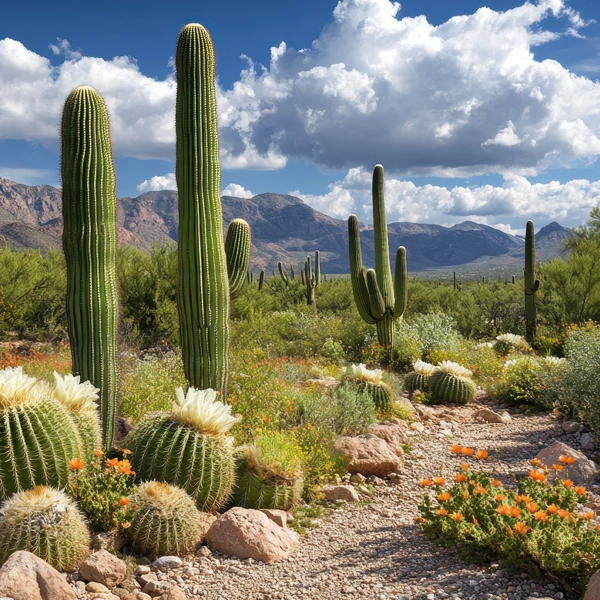
Mexican heritage and diverse landscapes
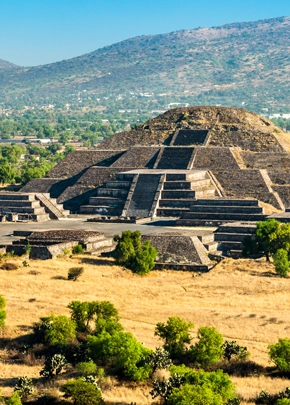
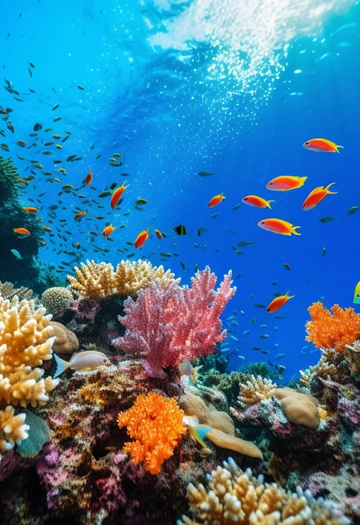
Iconic Mexican landmarks
Navigating through remarkable destinations across Mexico
From coastal reefs to high-altitude ruins, distinct Mexican destinations reveal contrasting environments for immersive travel experiences.
Archaeological zones hidden within dense canopies attract history enthusiasts, while vast coral networks draw marine explorers. The architectural layout of colonial settlements reveals patterns of historical urban planning. Navigating these varied Mexican terrains requires an understanding of regional microclimates, supporting safer travel to remote indigenous villages and majestic volcanic craters.

Preserved mayan structures of the peninsula
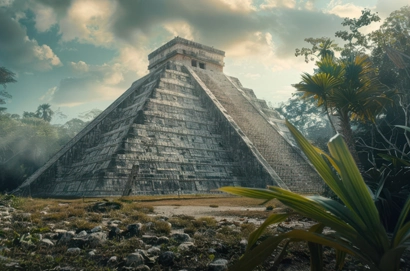
Limestone pyramids emerge above the surrounding jungle canopy. Complex Mayan stone carvings depict astronomical observations, highlighting advanced mathematical systems developed by ancient civilizations centuries ago.

Breathtaking copper canyon in the northern Mexico wilderness
Deep ravines carved by flowing rivers shape a massive canyon landscape. Local railway networks cross steep bridges, providing access to remote viewpoints and isolated communities.

Bioluminescent bays along the coastal fringes
Bioluminescent microorganisms illuminate dark coastal water when disturbed. Protected lagoon ecosystems maintain delicate marine balances, requiring strict conservation protocols to preserve these nocturnal light phenomena.
Rich Mexican culinary heritage
Understanding the complexity of Mexican cuisine
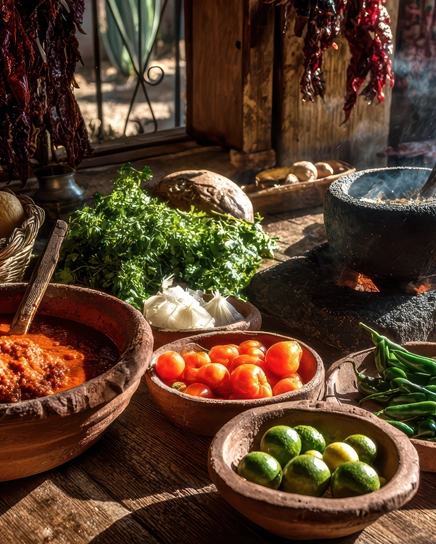
Ancestral ingredients and slow cooking techniques
Indigenous seeds, roasted chilies, and ground cacao form the foundation of rich, slow-simmered sauces. Volcanic stone mortars help release aromatic oils from fresh herbs, enhancing depth of flavor without artificial additives. Coastal communities rely on citrus marinades to cure fresh catches, while inland kitchens use underground pit ovens wrapped in agave leaves to slowly tenderize marinated meats overnight, reflecting regional cooking traditions.
The nixtamalization of maize remains a cornerstone of Mexican food preparation, treating hard kernels with alkaline solutions to improve nutritional value. This treated dough becomes the base for numerous regional specialties, shaped by hand and toasted on clay griddles. Street vendors adapt these traditional methods for rapid preparation, serving layered flavors in accessible formats that define the bustling atmosphere of urban markets.
Living Mexican ancestral customs
Exploring folklore through culture and traditions
Artisanal craftsmanship is passed down across generations through intricate beadwork and hand-woven textiles that narrate local histories. Community life often revolves around communal labor systems, strengthening social bonds through shared agricultural duties and collective maintenance of public spaces.
The syncretism of indigenous beliefs and European influences remains visible in everyday cultural practices. Plazas serve as gathering points where brass bands play regional rhythms, accompanying dancers in vibrant, regionally specific attire. Storytelling remains a vital oral tradition, keeping ancient mythologies alive in modern consciousness. Ceramic traditions differ markedly by village, with specific clay compositions and firing methods producing distinct black pottery or bright, polychrome figures. These expressions of regional identity go beyond aesthetics, also serving as functional items for domestic rituals. The preservation of local dialects plays a crucial role in maintaining indigenous knowledge, particularly around medicinal plants and ecological cycles that have supported diverse communities for generations.
Mexico’s diverse territorial divisions
Analyzing the regions and states structurally
Mexico’s administrative borders define thirty-two entities, each characterized by distinct topographies, economic drivers, and regional ecosystems.
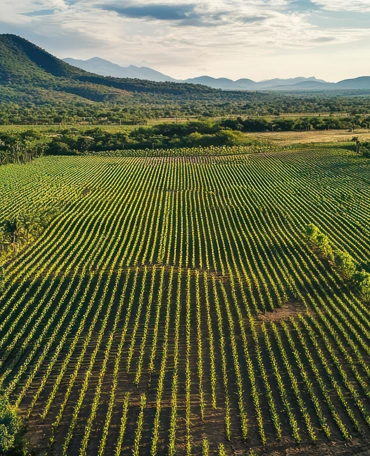
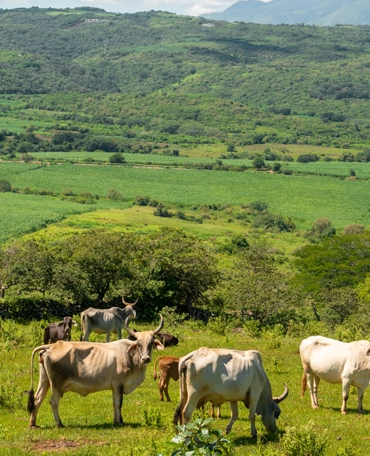
The arid northern territories combine industrial output with expansive cattle ranching. Conversely, southern states contain dense rainforests and rely heavily on agricultural exports such as coffee and tropical fruits. The central highlands form a geographic bridge, concentrating administrative activity around fertile volcanic soils suitable for varied crops.

Mexican hospitality and lodging
Selecting appropriate accommodation for the journey
Accommodation options range from restored colonial estates to off-grid jungle cabins, catering to different travel styles and architectural preferences.
Historic haciendas feature thick stone walls and central courtyards that naturally regulate indoor temperatures during warm afternoons. Modern coastal villas integrate solar technology and rainwater harvesting systems to reduce their ecological footprint. Urban boutique hotels often repurpose historical buildings, preserving original architectural details while providing contemporary amenities.
Annual Mexican civic gatherings
Participating in national festivals and events

Honoring ancestors during autumnal commemorations
Families construct elaborate commemorative altars decorated with orange marigolds and lit candles. Sugar skulls and sweet bread are offered as symbolic expressions of remembrance and mortality.
Spring equinox gatherings at prehispanic sites
Crowds gather in white as sunlight casts serpentine shadows across ancient staircases. This astronomical alignment highlights the importance of seasonal cycles within the agricultural calendar.

Regional agricultural fairs and livestock exhibitions
Equestrian skills are demonstrated through complex roping maneuvers in circular arenas. Brass ensembles provide musical accompaniment while judges evaluate prized cattle breeds.
Preserving Mexico’s ecological wealth
Observing biodiversity across varied Mexican ecosystems
Endemic species thrive within protected reserves spanning arid scrublands, mountain forests, and humid mangroves. Seasonal migrations bring butterflies to central mountain pines, while coral reefs support diverse marine life. These fragile habitats require targeted conservation efforts to limit pressures from climatic shifts and preserve the ecological balance of surrounding waters.

Marine life protection in coastal waters

Avian species residing in cloud forests